Balinese Ceremonies: A Traveler’s Guide
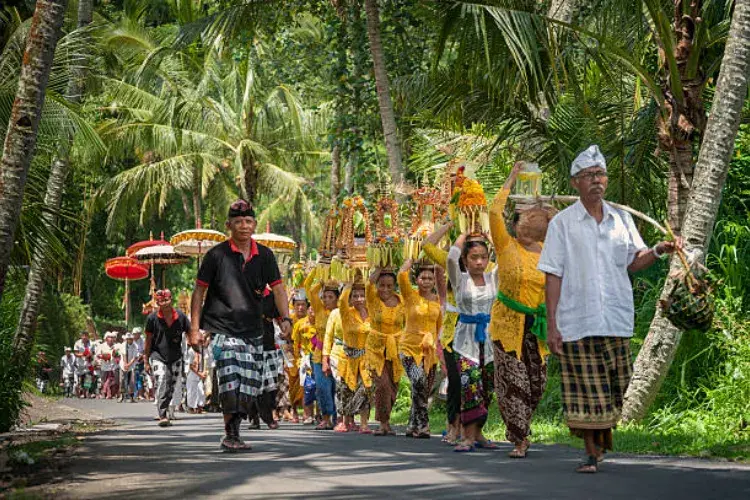
If you've ever traveled to Bali, chances are you've stumbled upon a mesmerizing ritual: women in traditional attire balancing offerings on their heads, men chanting sacred verses, and an air heavy with incense and devotion. But what exactly are these Balinese ceremonies, and what do they mean? Are they just tourist attractions or do they hold deeper cultural and spiritual value?
In this guide titled "Balinese Ceremonies and What They Mean: A Traveler’s Guide", we’ll uncover the meanings behind these vibrant rituals, the types of ceremonies you may witness, and how to respectfully experience them as a traveler. Whether you’re planning your first trip to Bali or have been enchanted by the Island of the Gods before, this is your gateway to understanding the cultural soul of Bali.
Balinese Ceremonies and What They Mean: A Traveler’s Guide
Bali’s charm extends far beyond its beaches and resorts—it lies deep within the intricate traditions and sacred ceremonies of its people. Balinese Hinduism, a unique blend of Indian Hindu beliefs and ancient Balinese animism, has given birth to a rich tapestry of ceremonies that mark every stage of life, from birth to death and everything in between.
Let’s take a deeper dive into the Balinese ceremonies and what they mean, so you can understand the spirit of Bali in every prayer, chant, and flower offering.
The Philosophy Behind Balinese Ceremonies
At the heart of Balinese rituals is the philosophy of Tri Hita Karana—the three causes of well-being: harmony with God (Parahyangan), harmony with people (Pawongan), and harmony with nature (Palemahan). Every ceremony serves as a way to maintain this balance and express gratitude, seek blessings, or purify one’s self and surroundings.
This isn’t just religion. It’s lifestyle, culture, and identity rolled into one seamless spiritual experience.
Common Balinese Ceremonies You Might Encounter
1. Odalan – Temple Anniversary
One of the most common ceremonies you’ll see during your trip is Odalan, which celebrates the anniversary of a temple. Held every 210 days, the festivities involve colorful processions, gamelan music, dance performances, and offerings. As a visitor, witnessing an Odalan is like peeking into the beating heart of Balinese spiritual life.
2. Melasti – Purification Ritual
Performed before the Balinese New Year (Nyepi), Melasti is a massive cleansing ritual where sacred objects from temples are paraded to the sea for purification. You'll often see white-clad devotees walking in lines toward the beach with umbrellas and banners fluttering in the wind. It's one of the most photogenic and spiritually intense moments to experience on the island.
3. Galungan and Kuningan – Good vs Evil
Galungan marks the victory of Dharma (good) over Adharma (evil). It’s when the spirits of ancestors return to Earth. You’ll notice tall bamboo poles called penjor lining the streets—each decorated with offerings, fruits, and flowers. Kuningan, which comes 10 days later, is when the spirits ascend back to heaven. It’s a celebration of connection and farewell.
4. Ngaben – The Cremation Ceremony
Perhaps the most emotionally powerful ceremony is Ngaben, or the cremation ritual. It’s believed that through fire, the soul is freed and can reincarnate. Although a sad moment for the family, Ngaben is also a celebration—complete with music, colors, and traditional attire. If you’re ever invited to attend one, consider it an immense cultural privilege.
5. Nyepi – Day of Silence
Unlike anything else in the world, Nyepi is Bali’s New Year—a day when the entire island shuts down. No flights, no cars, no electricity, no noise. It’s a time of self-reflection and silence. For travelers, it’s both strange and magical. Hotels operate quietly, and even tourists are expected to respect the peace. The night before, watch out for the Ogoh-Ogoh parade—huge demonic statues carried through the streets in a festive farewell to negativity.
How to Respectfully Experience Balinese Ceremonies
As a traveler, your curiosity is welcome—but respect is key. Here are a few tips:
-
Dress Modestly: Always wear a sarong and sash when entering temples or attending ceremonies. Most temples rent them out.
-
Don’t Interrupt: Avoid standing in the way of processions or taking photos too close.
-
Ask First: If you’re invited to attend a private ceremony, ask what’s appropriate.
-
No Drones, Please: Flying drones over ceremonies is considered disrespectful unless you have specific permission.
By understanding Balinese ceremonies and what they mean, you become not just a visitor, but a conscious part of the experience.
Balinese Ceremonies Are More Than Just Spectacles
For many Australians and other international visitors, Bali is a short flight away but feels like another world altogether. The ceremonies you witness aren’t staged for your camera—they are heartfelt, deeply rooted traditions that have been passed down through centuries. From the bustling streets of Ubud to the seaside temples of Tanah Lot, each ritual has a story, a purpose, and a spiritual resonance that shapes everyday Balinese life.
So next time you catch a glimpse of flower petals scattered on the sidewalk or hear the distant sound of gamelan drums, pause. Look closer. Because behind every incense swirl and offering lies a story of devotion, connection, and timeless tradition.
Conclusion: More Than Just a Cultural Show
Understanding Balinese ceremonies and what they mean is like unlocking the soul of Bali itself. These ceremonies are not only spiritual acts but expressions of community, family, and life’s sacred rhythm. For travelers, they offer more than just photo ops—they offer perspective, meaning, and deep cultural immersion.
Ready to Explore the Spiritual Side of Bali?
Whether you're planning a trip for culture, nature, or just to unwind, include at least one ceremonial experience on your itinerary. Respect the traditions, ask questions, and open your heart to the wisdom woven into every Balinese ritual.
Bookmark this traveler's guide and share it with fellow adventurers who want to understand Bali beyond the beach clubs and sunsets. Because Bali is not just a destination—it’s a spiritual journey.


