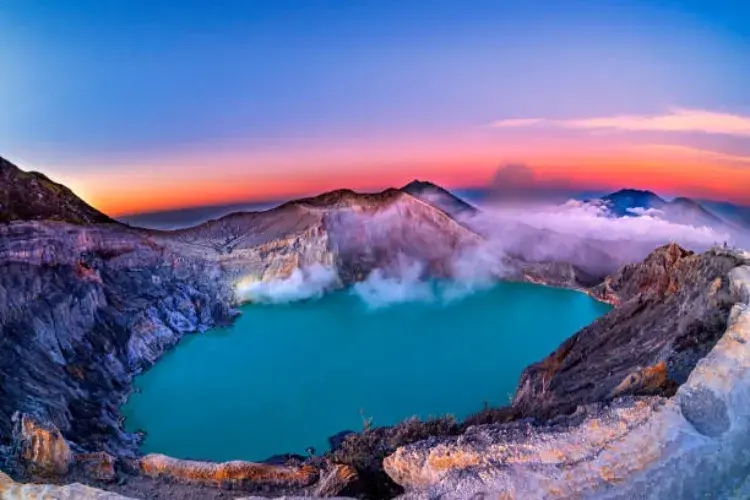
Best Time to Visit Mount Ijen | Travel Tips 2025
Have you ever dreamed of witnessing the legendary blue fire of Mount Ijen? Or perhaps you’ve imagined hiking under the stars, catching the early morning mist over an otherworldly volcanic crater? If you’re planning a trip to East Java, Indonesia, you might be wondering: what is the best time to visit Mount Ijen to experience it all?
Whether you’re an avid hiker, a nature photographer, or simply a curious traveler seeking something extraordinary, timing is everything when it comes to visiting Mount Ijen. This iconic destination, famous for its acidic turquoise crater lake and eerie electric-blue flames, offers a unique spectacle—but only if you plan your visit wisely.
Best Time to Visit Mount Ijen
Mount Ijen is accessible year-round, but the best time to visit Mount Ijen is during the dry season, which runs from May to October. This period offers the clearest skies, safer hiking trails, and the best chance to see the famous blue fire at its most vivid.
Why May to October Is Ideal
This dry season window is not only favored for weather but also for accessibility and overall safety. Here’s a deeper dive into why this season is ideal:
Favorable Weather Conditions
Rainfall in the Mount Ijen region can be intense during the wet season (November to April), making the trails slippery and dangerous. In contrast, the dry season brings cool, dry air, especially in the early mornings when most hikers start their climb. Visibility is better, and the sunrise over the crater is often crystal clear—an unmissable view for nature lovers and photographers.
The Best Chance to See the Blue Fire
The mystical blue fire, a rare natural phenomenon caused by ignited sulfuric gas, is only visible in complete darkness. While it is technically present year-round, heavy fog or rain during the wet season can obscure it. Dry season nights are clearer, and since most treks begin at midnight, you're more likely to witness the blue flames dancing above the crater if you come between May and October.
Safer Trekking Experience
Mount Ijen’s trekking route, while not overly challenging, includes steep paths and loose volcanic rock. During the wet season, these paths become treacherous. Dry season treks, by comparison, offer more stable footing and fewer trail closures, ensuring a safer and more enjoyable hike.
Timing Your Climb: Midnight Hike to Sunrise Glory
Mount Ijen treks typically start around midnight. This isn't just for the thrill—it's the perfect timing to catch the blue fire before dawn. Hikers usually reach the crater rim between 2 AM and 4 AM. If you’re lucky, you’ll not only see the surreal flames but also witness a sunrise like no other, with the crater lake glowing in hues of teal and emerald as the sky changes color.
To make the most of this experience, choose dates within the mid-dry season (June to August). These months offer the most consistent conditions, plus you'll avoid the Indonesian holiday rush in May and October.
What About the Off-Season?
While some adventurous travelers do visit Mount Ijen during the wet months, it comes with significant risks. Flooded trails, poor visibility, and potential volcanic gas hazards make it less than ideal. Plus, the blue fire phenomenon is harder to spot, and the overall experience is dampened (literally and figuratively).
If you do plan to visit during the rainy season, make sure to check weather forecasts, local volcanic activity updates, and consider hiring a local guide who knows the terrain well.
Summary and Final Tips
In short, the best time to visit Mount Ijen is from May to October, when the weather is dry, the paths are safer, and the views are at their peak. For the ultimate experience, plan your climb for the early dry season or peak dry season and start your trek just after midnight for that magical combination of blue fire and sunrise.
Remember:
-
Arrive a day early to rest and adjust to the altitude.
-
Bring a gas mask—sulfur fumes can be intense.
-
Wear proper footwear with good grip.
-
Carry a headlamp for the pre-dawn hike.
Ready to Hike Mount Ijen?
Now that you know the best time to visit Mount Ijen, it’s time to start planning your unforgettable adventure. Whether you're traveling solo or with a group, this experience promises to be one of the most unique and awe-inspiring in Southeast Asia. Pack smart, hike safe, and don’t forget your camera—Mount Ijen is waiting!


